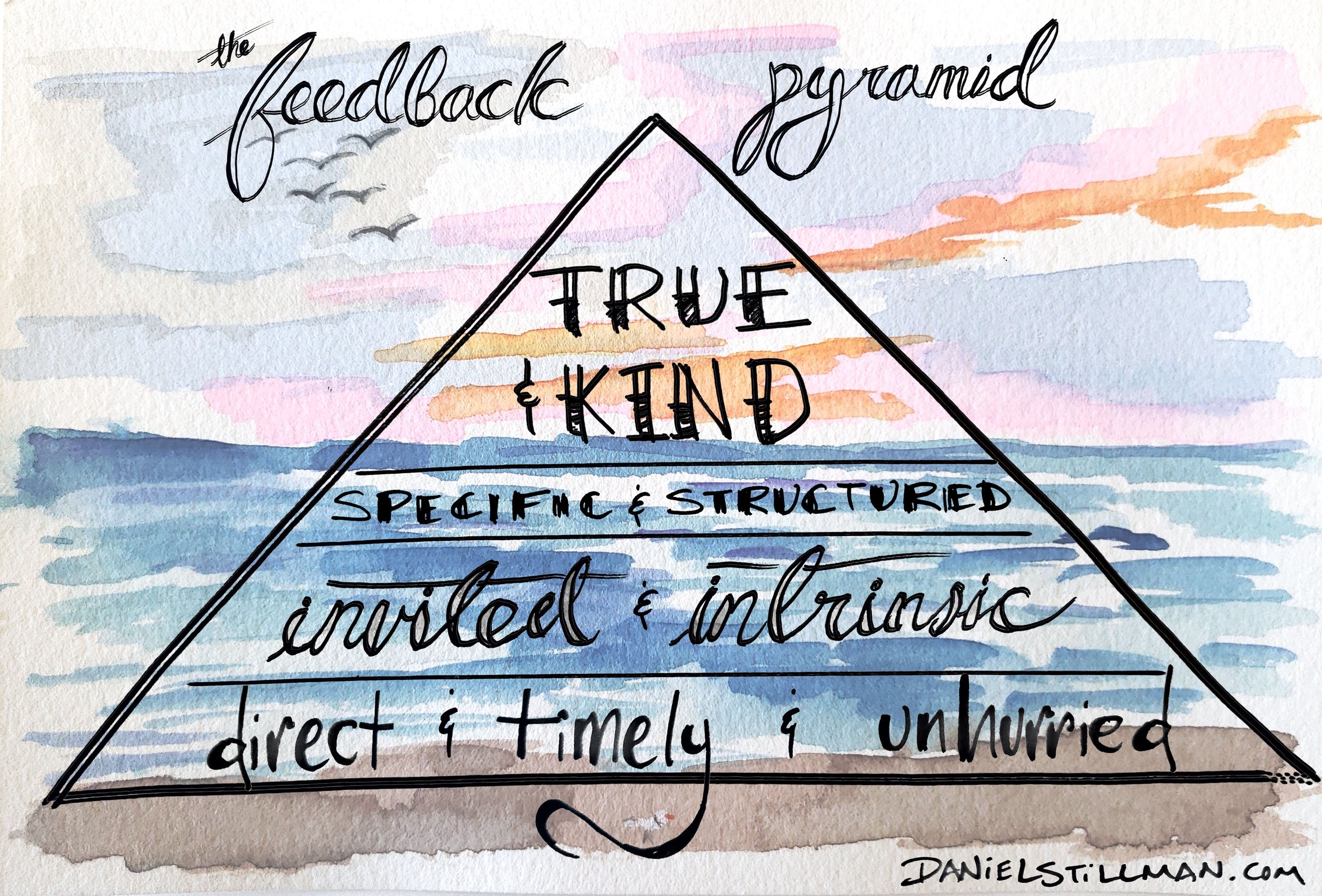
Can I give you some feedback on your feedback?
You, me, and everyone we know could get better at the art of giving feedback.
The debate about feedback at work - how to do it, how not to do it - is ongoing. The jury may still be out, but there’s good evidence to overturn accepted common practice.
We also know from our own experience that the mere phrase “Can I give you some feedback” spikes a stress response. That kind of cortisol spike induces a reflexive fight or flight response, which absolutely inhibits learning, growth, and development, which is the whole point of the feedback. If someone is in that biochemical mode, it’s hard to listen.
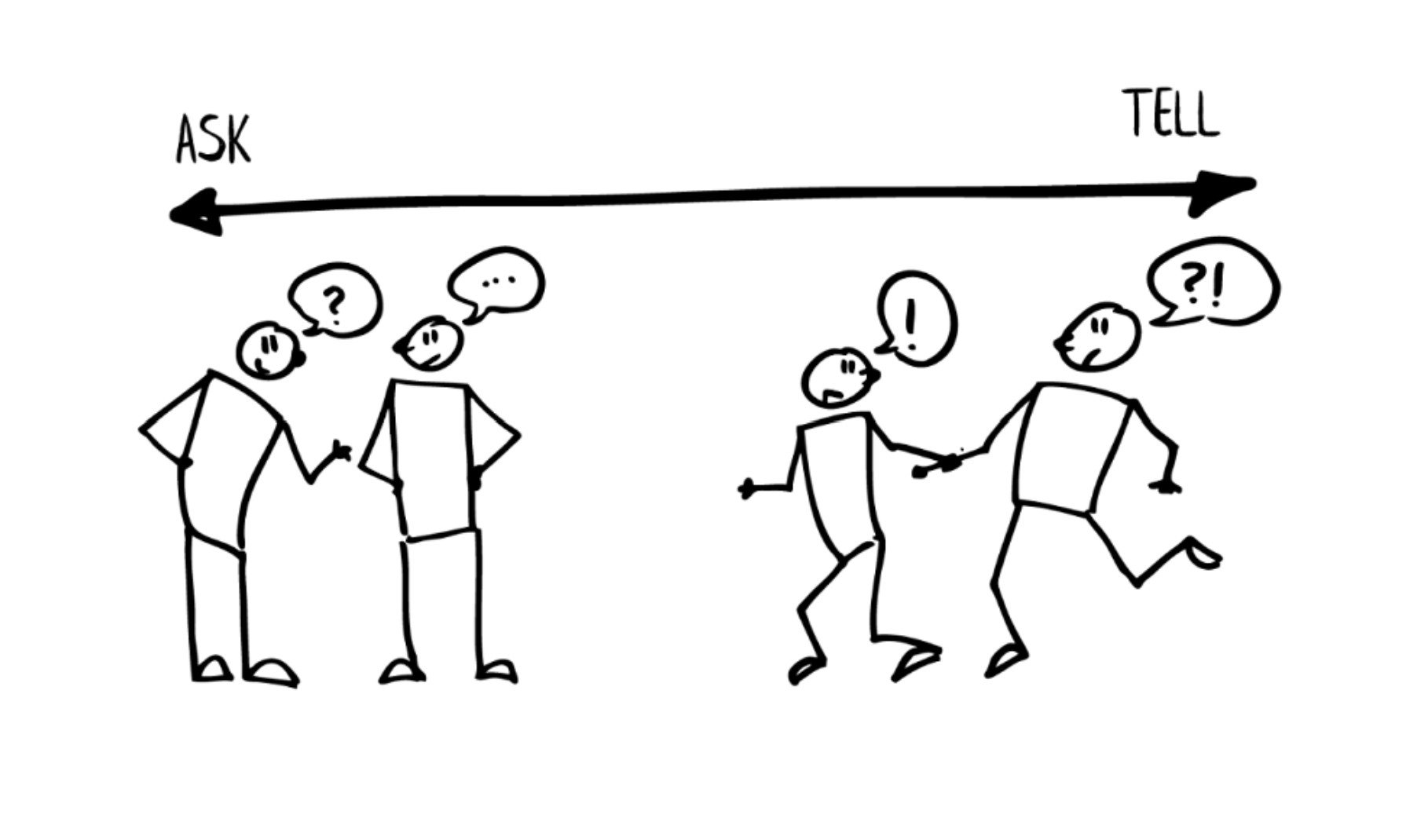
Stop Convincing. Start Inviting.
Intelligent, well-informed people can look at the same data and reach completely different conclusions. That’s not a problem; that’s being human: we all tend to like our own way of thinking.
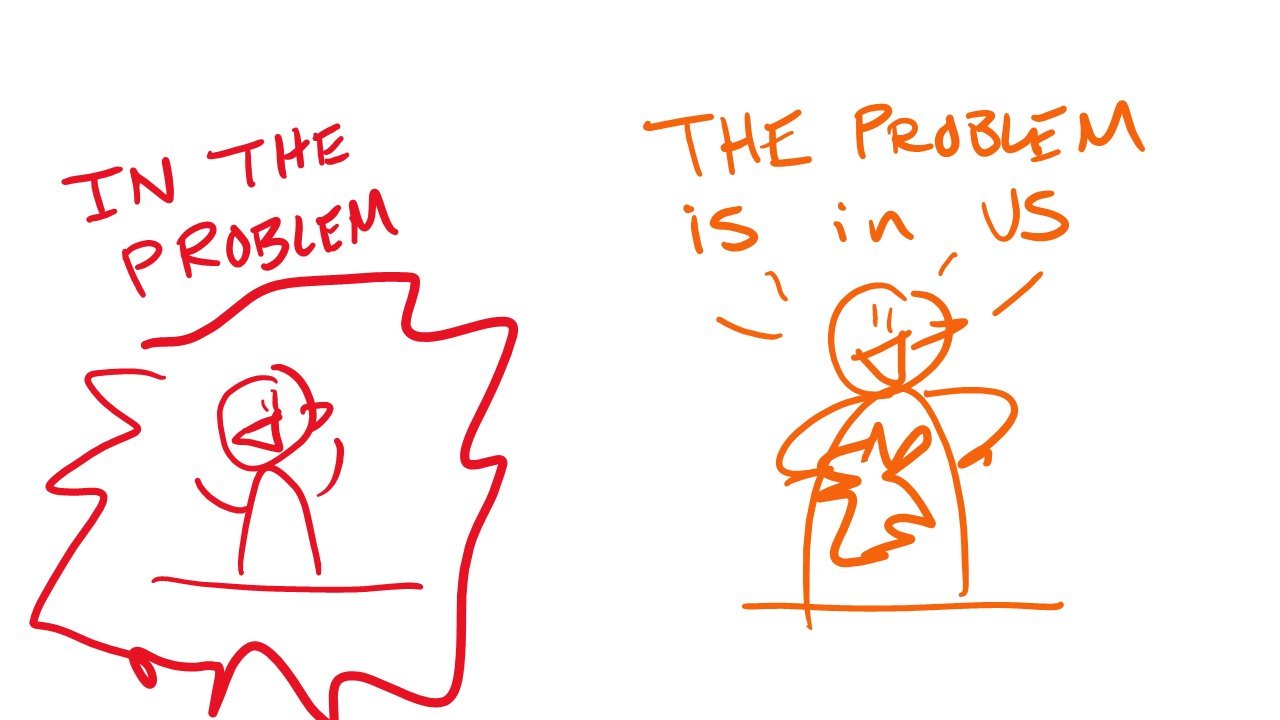
The problem is what happens next: when others don’t see what you see, often the natural impulse is to dig in, marshal your evidence, and start convincing people you’re right. Others on the team might do the same…and a “battle for who is right” ensues. Teams can get stuck there, for weeks or even months, infighting instead of moving forward.
Seven Self-Coaching Questions Every Leader Should Ask Themselves
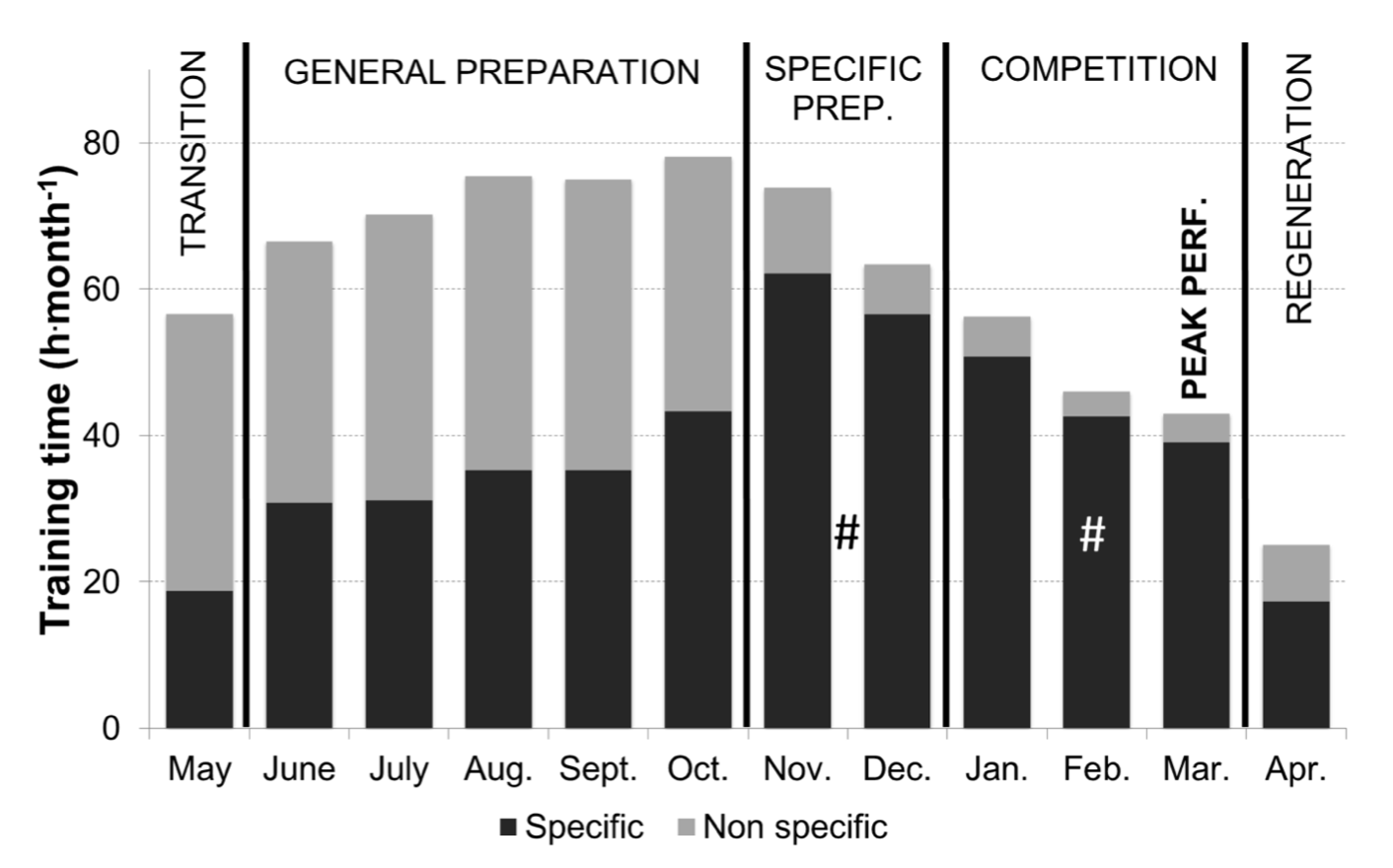
Even the best actors spend more time rehearsing than performing. The same is true for athletes. For Olympic athletes, they train a whole year for just a few days of all-out performance! In general, no athlete trains 8 hours a day, five days a week. And coaches are always on hand in both cases to help guide top performers through their training and preparation and help them reflect on past performance.
For CEOs, it’s flipped - most of their time is spent “on stage” - in calls with investors, meeting with team members, having one high-stakes conversation after another. And leadership can feel lonely - often, they are doing it with less support than they need. Everyone needs to go backstage to recover and prepare for the next act from time to time, and leaders in particular can significantly benefit from an intentional approach to their development and performance.
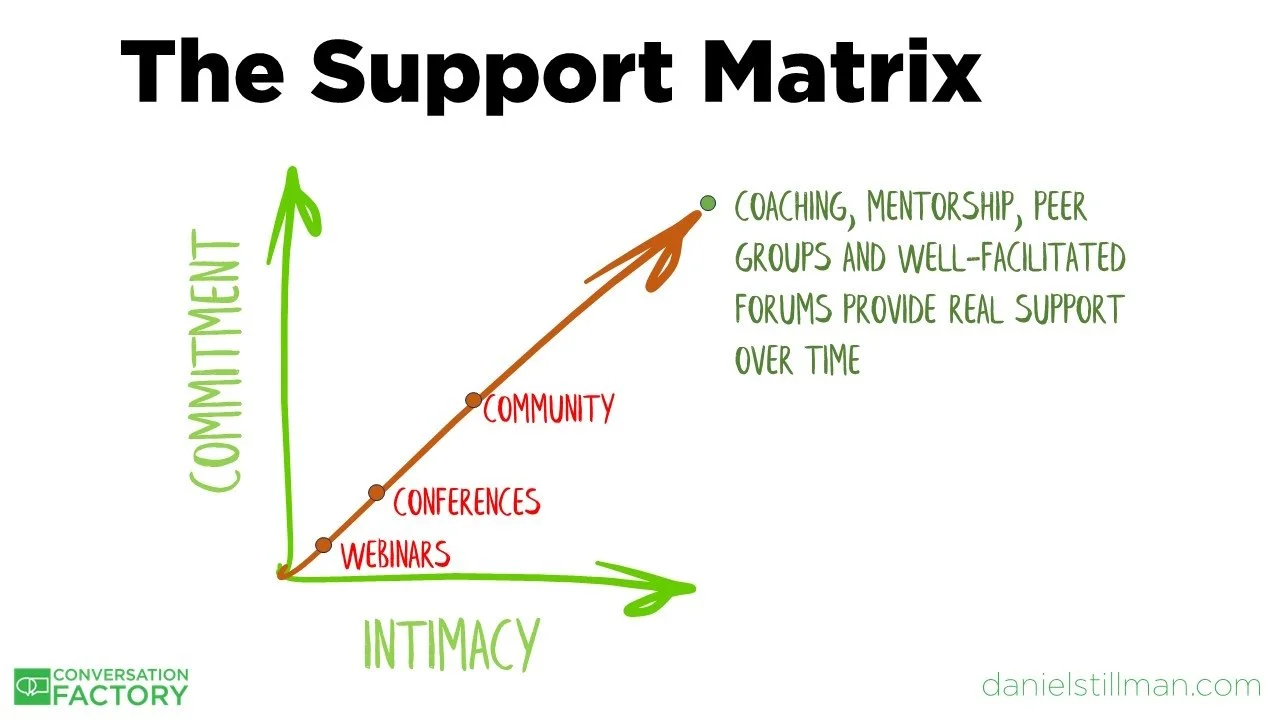
Why Urgency Kills Growth (And How Commitment Changes Everything)
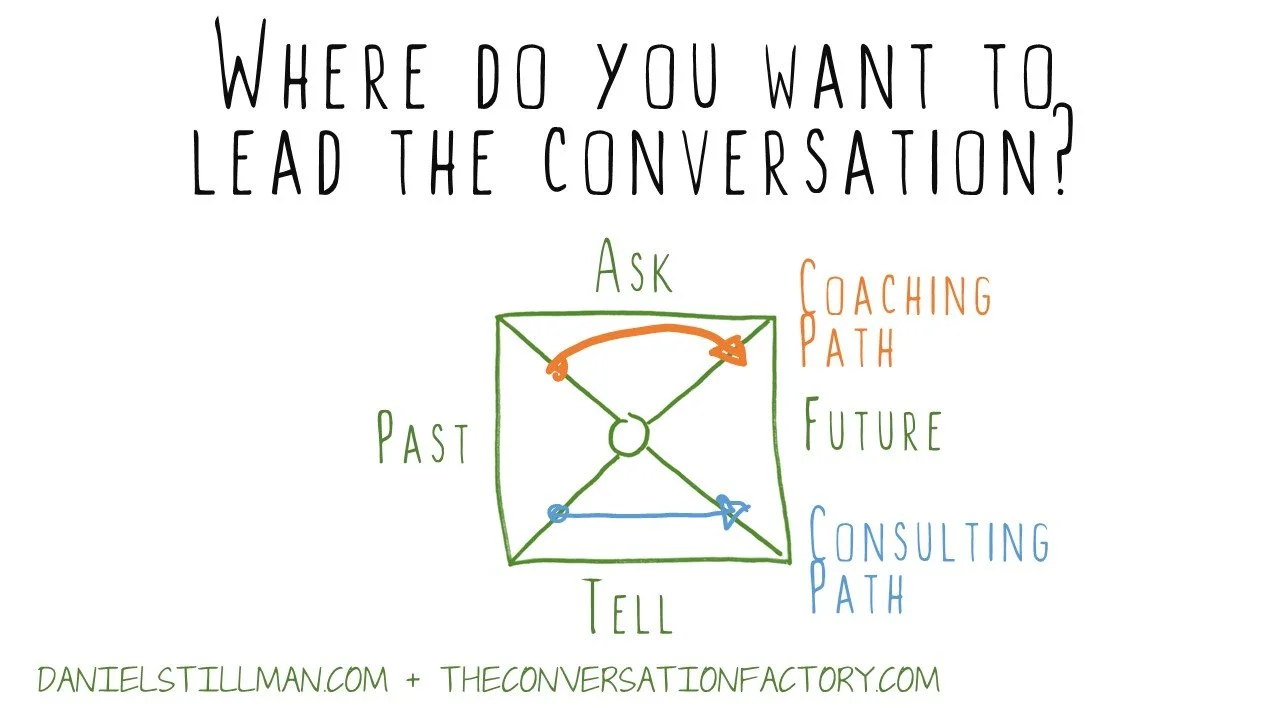
I often tell my clients that they are their best coach. In fact, they are the head coach. I’m just the assistant coach. And wouldn’t you know it? Most of their self-coaching happens in their heads: after all, our toughest conversations are usually with ourselves.Our inner conversations either help us or hold us back. The following seven questions are starting points for worthwhile conversations to have with yourself. Asking yourself these seven questions can help you clarify and solidify your leadership stance.
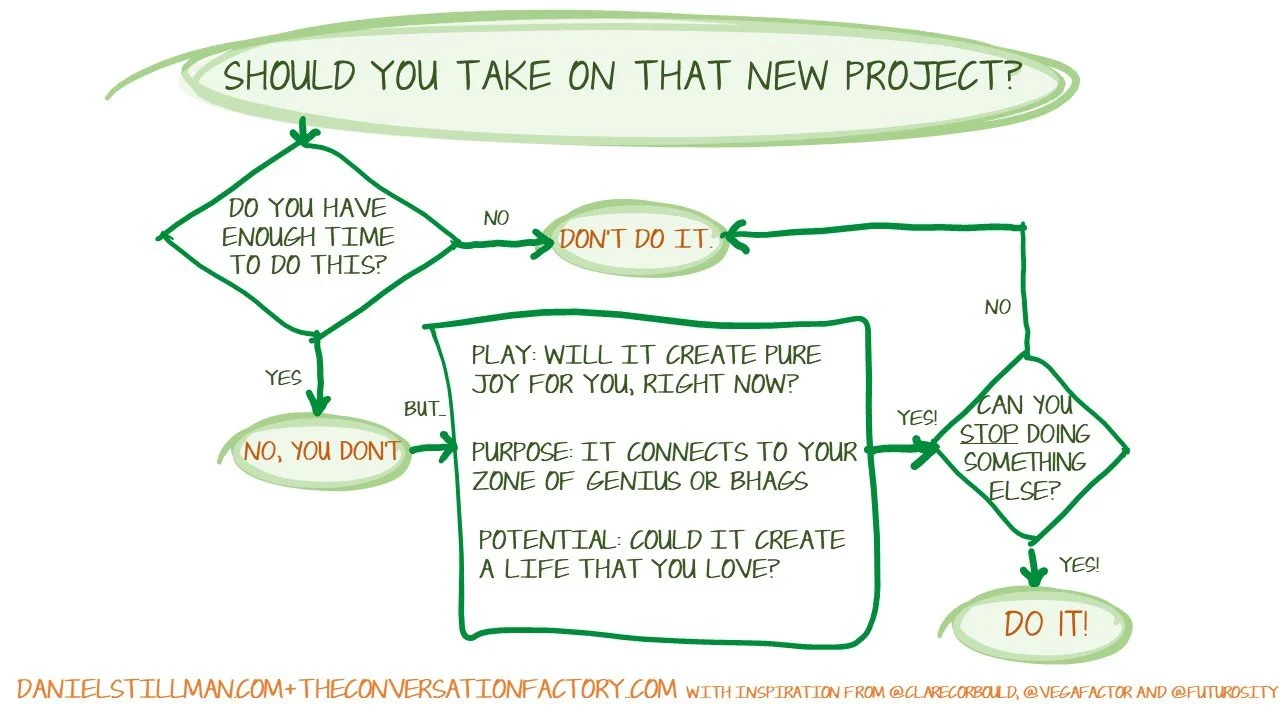
How to Maximize Your Most Scarce Resources as a Business Leader: Time, Energy and Talent
While money can be found, borrowed, printed or even invented, we all know that no amount of money can buy a 25th hour in the day. Time is limited, tomorrow is not guaranteed. And no amount of money can make someone really care. No amount of money can motivate someone to give every ounce of their energy and talent. You can’t buy real enthusiasm! The only way to get the best work from someone is to inspire them and then get out of their way.
For most companies, the most scarce resources are the time, energy and talent of their people, and the insights, ideas and wisdom those people generate.
Goals Won’t Lead You to Greatness
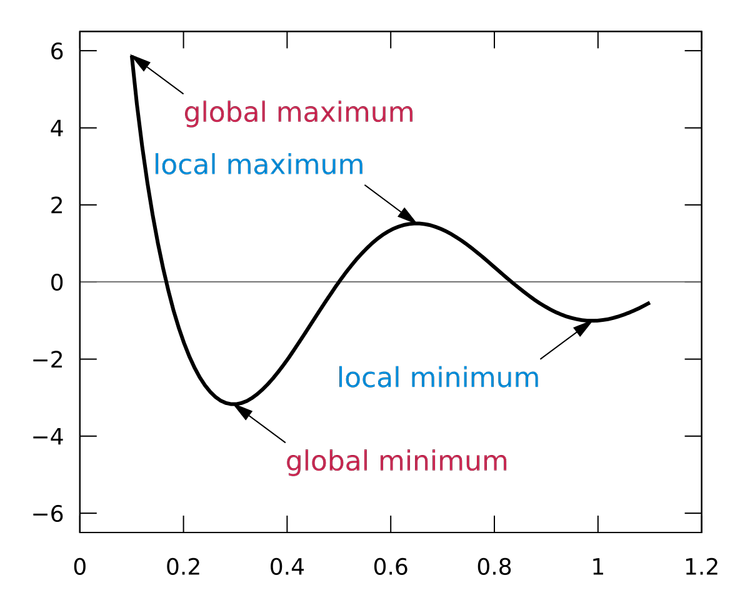
I’m holding two opposed ideas in tension right now:
Having clear goals and making bold choices create powerful results.
Clear goals inhibit the achievement of greatness.
The goal math is simple:
Big Goals + Accountability = Success!
But the reality is more complex.
Sometimes these transformational changes take more than goals and accountability, clarity and dedication. Transformational changes in our life often entail transformational shifts in how we think, what we value and how we see ourselves.
And sometimes, real transformational change requires us to give up our goals and objectives entirely.

Handle Holiday Conflicts with GRACE: A Framework for Navigating Tough Conversations
The Holidays are upon us! These times can be opportunities for family, food, and heartfelt connections—but let’s be real, they’re also ripe arenas for tense conversations that can derail the best of gatherings. Before you dive into a battle over politics or who gets to carve the turkey, consider using the G.R.A.C.E. model. It’s five easy steps to help you navigate any sticky conversations with more grace and ease.
11 Ways CEOs can use one-on-ones to scale excellence in their leadership teams
Founders often want to stay involved in many or even most aspects of their businesses (see the conversations over “founder mode”). However, most soon realize that if they ever want a vacation, a sustainable romantic relationship, or a sustainable, scalable business, they need to scale the capacity of the people on their leadership team to lead the organization without them.
Instead, CEOs are using this precious time to manage projects and run through a to-do list with their most senior leaders.
One-on-ones are an extraordinary opportunity to unlock the potential of your team to think more clearly, lead more effectively and to unlock growth for your company. 1:1s are an opportunity for a creative conversation (see item 10)
I know you’re busy, so here are the 11 ways you can use one-on-ones to scale excellence in your leadership teams:

Leading Teams to Unlock Creative Potential with Design Thinking
There is more intelligence inside our organizations and our teams than we are using.
It’s the job of leaders to unlock the creative power of their teams - not to generate solutions to all problems for them.
Leaders can do this by leading conversations that leverage the power of a creative process - finding new, unexpected and innovative solutions to challenging problems instead of business as usual.
This creative process has gone by many names, has been studied for decades, and offers leaders powerful, practical tools to drive change and innovation through creative conversations. My book, Good Talk: How to Design Conversations that Matter is just one of many, many books on this topic. In this essay I’ll break down some essential tools of leading creative conversations and share some other books on the topic for your further reading.
At various times, this process has been called Creative Problem Solving (CPS), and more recently known as Design Thinking. Over the decades these approaches have been hailed as practical and functional, or a terribly failed experiment.